Arabic Script: A Font with Timeless Flow and Modern Elegance
There's a certain weight and grace to classical calligraphy that a standard typeface simply can't capture. It’s the difference between a printed word and a signature—the latter carries a personal, human touch. This is the space where Arabic Script operates. It’s not just a collection of characters; it’s a design asset built on centuries of artistic tradition, translated into a modern digital tool. If you’ve ever struggled to find a font that conveys authenticity, cultural depth, and a fluid, artistic personality for a project, this typeface deserves a close look.
The Visual Personality of Arabic Script
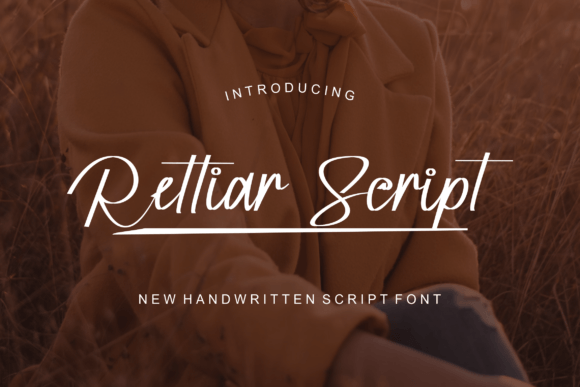
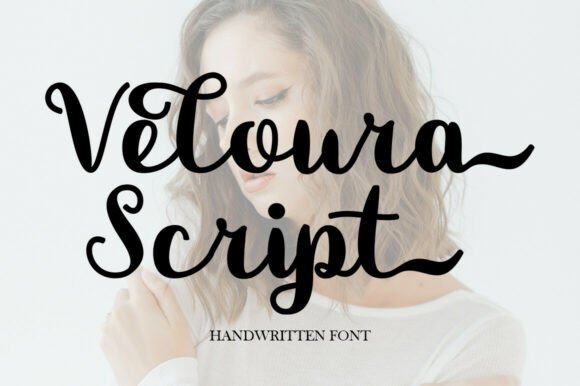
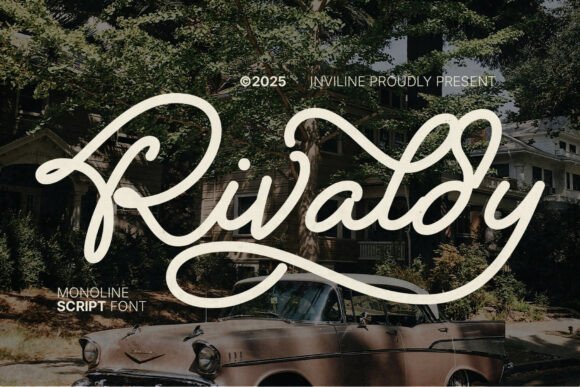
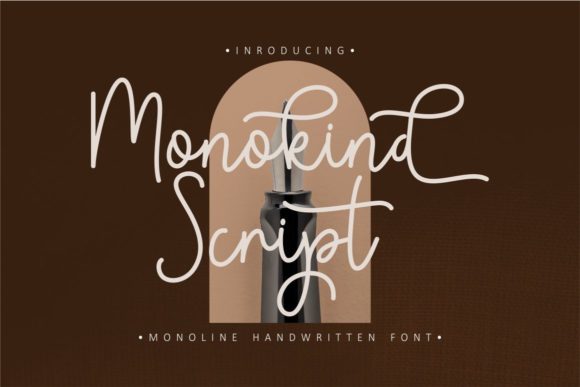
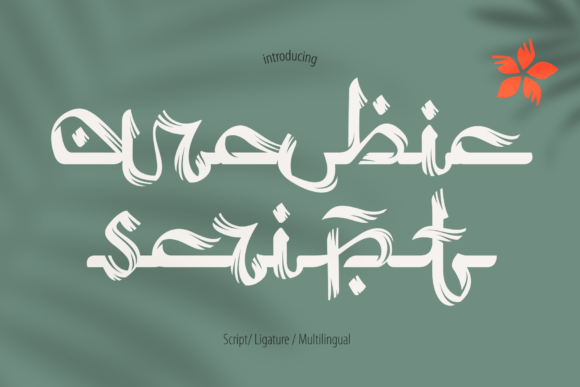
At its core, Arabic Script is a display font that draws direct inspiration from classical Arabic calligraphy. This isn't a simple handwritten font with a casual, doodled feel. Instead, it exhibits the disciplined, flowing strokes of a master pen. The letterforms often feature a beautiful contrast between thick and thin lines, creating a dynamic rhythm across a word or line. You’ll notice elegant swashes and connecting ligatures that feel organic, not forced. This gives the typeface a personality that is simultaneously formal and artistic. It carries an inherent sense of history and craftsmanship, making it feel premium and intentional from the first glance.
Think about the difference between a standard serif font and a script font. While a serif like Times New Roman communicates tradition and readability in long text, a script font like Arabic Script communicates style and emotion. Its visual strength lies in its ability to mimic the hand of a skilled calligrapher. This makes it a powerful tool for creating an immediate emotional connection, which is often the primary goal in branding and marketing.
Where This Font Truly Shines: Real-World Applications
The true test of any creative font is its utility. Arabic Script excels in specific contexts where its unique character can enhance a message without overwhelming it. It’s a specialist, not a generalist, and knowing where to deploy it is key to effective design.
Cultural and Event-Based Design: This is the font’s native territory. For Ramadan advertising, Eid greetings, Islamic quote posters, or event invitations, Arabic Script provides an authentic aesthetic that resonates deeply. It immediately sets the cultural context, saving you from having to over-explain with other design elements. A simple “Ramadan Kareem” set in this typeface can carry the entire visual weight of a social media graphic.
Branding and Logo Design: For brands aiming to convey heritage, luxury, or a connection to Middle Eastern or South Asian aesthetics, this font is a strategic choice. It works beautifully for the logotype of a high-end restaurant, a boutique hotel, an artisanal craft business, or a luxury goods brand. The key is to ensure the brand’s name is legible at various sizes, a critical consideration in logo design.
Editorial and Packaging Design: In editorial design, use it for pull quotes, chapter titles, or feature article headers to inject sophistication and visual interest. In packaging design, it can elevate a product—think of the label on a premium tea, a specialty spice blend, or an artisanal perfume. It tells the customer that care and attention to detail went into the product.
Digital and Print Collateral: From social media graphics and website hero banners to greeting cards, wedding stationery, and poster art, Arabic Script adds a layer of artistic flair. It’s particularly effective in digital spaces where a unique typeface can make a post stand out in a crowded feed.
Strategic Typography: More Than Just a Pretty Face
Choosing a font is a strategic decision that influences how your audience perceives your message. Arabic Script, when used thoughtfully, can significantly impact key areas of design and communication.
Brand Perception and Consistency: The typeface you choose is a pillar of your brand identity. Using Arabic Script consistently across your touchpoints—from your website to your business cards—builds a recognizable and cohesive brand world. It tells a story of appreciation for artistry and culture, which can foster a stronger connection with your target audience.
Visual Hierarchy and Readability: As a display font, its primary role is to attract attention at larger sizes. Use it for headlines, titles, and short, impactful phrases. It creates a strong visual anchor. However, its ornate nature means it’s not suited for body text. Pair it with a clean, highly readable sans serif font or a neutral serif font for paragraphs. This contrast is a fundamental principle of font pairing—it creates a clear hierarchy, guiding the reader’s eye naturally.
Audience Engagement: A unique and well-chosen typeface can stop the scroll. In a world of generic fonts, Arabic Script’s distinctive style can pique curiosity and draw people in. This is especially valuable in advertising and content marketing, where capturing attention is the first hurdle.
A Practical Guide to Working with Arabic Script
Before you integrate this premium font into your workflow, a practical evaluation is essential. Treat it like you would any other professional design asset.
- Evaluate the Project Fit: Does the project’s core message align with the font’s personality? Arabic Script conveys tradition, elegance, and cultural richness. If your project is about minimalist tech or hyper-casual fun, it might not be the right fit. The font should amplify your message, not contradict it.
- Test for Readability: Always test the font at the size you intend to use it. Some of its more elaborate letter combinations or swashes can become muddled at very small sizes. Ensure the word or phrase remains legible, especially in critical applications like a logo.
- Explore Font Pairings: Don’t let the headline font work alone. Experiment with pairing it with various sans serif and serif options. A geometric sans serif can create a beautiful, modern contrast, while a classic serif can enhance the traditional feel. The goal is harmony, not competition.
- Review the Included Styles: Check if the font family includes multiple weights or stylistic alternates. These variations can give you more flexibility and creative control within a single project, allowing for subtle shifts in tone and emphasis.
- Understand the Licensing: This is non-negotiable for any commercial font. Carefully review the license agreement. Does it cover your intended use—be it for a client project, merchandise, digital products, or website embedding? Ensuring proper licensing protects you legally and supports the font creators who produce these valuable tools for the design community.
In the end, Arabic Script is more than just a typeface